

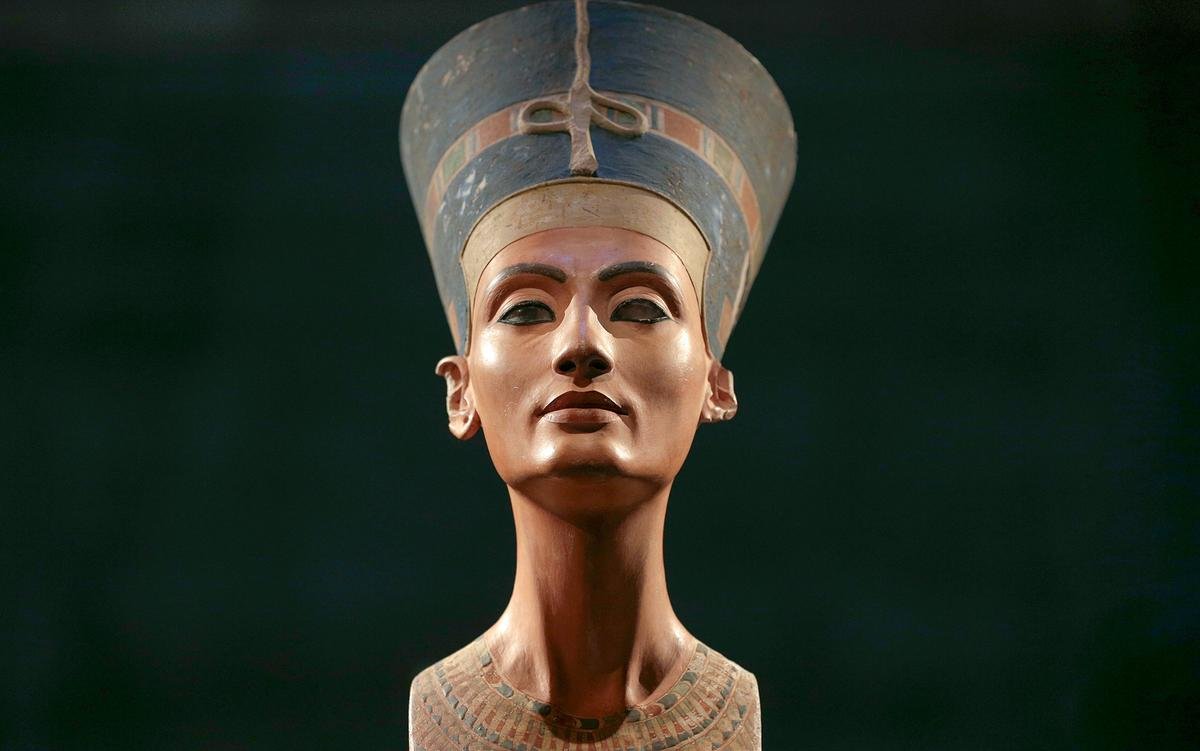
Zahi Hawass, Egypt’s most prominent archaeologist, reiterated his long-standing pledge this week to return the iconic bust of Nefertiti to its homeland. He argued that Egypt is now better prepared than ever to receive the artifact, pointing to the recent opening of the Grand Egyptian Museum near the pyramids.
Hawass renewed his appeal to Berlin’s State Museums to relinquish the Nefertiti bust, created between roughly 1351 and 1334 BCE and widely regarded as one of the most celebrated Egyptian antiquities outside Egypt. The sculpture has long been the subject of repatriation demands and was reportedly close to being returned during World War II, when Nazi officials believed the gesture could strengthen Germany’s standing in Egypt.
The bust was uncovered in 1912 by German Egyptologist Ludwig Borchardt during excavations at Tell el-Amarna and subsequently taken to Germany. Since 2009, it has been displayed at Berlin’s Neues Museum, where it remains a centerpiece of the collection.
German authorities have consistently argued that the artifact was removed legally. Hawass’s own stance on the circumstances of its export has evolved over time. In a 2010 interview with National Geographic, he acknowledged that the bust was not looted, while still expressing his desire for its return. More recently, however, he has taken a far stronger position, describing the sculpture as having been “blatantly stolen” in a 2024 interview with Deutsche Welle.
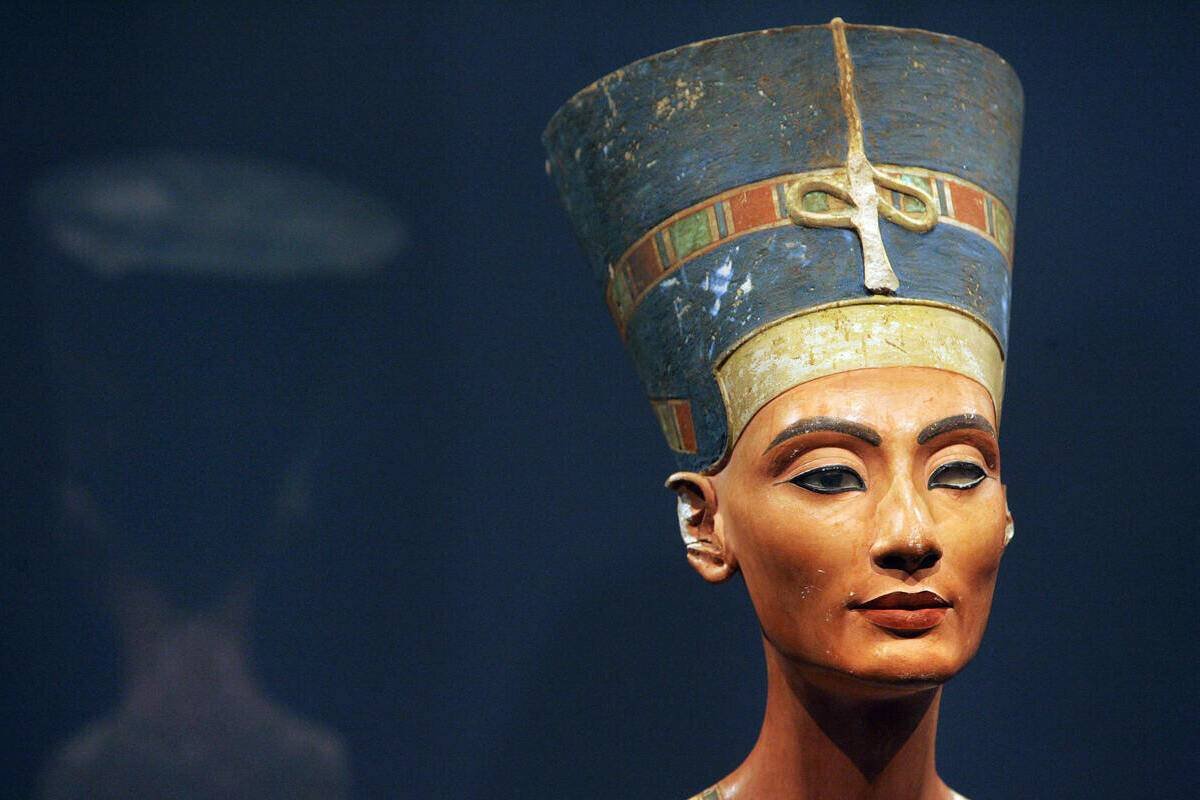
In a new interview with the Washington Post, Hawass pushed back against a common justification used by Western museums—that institutions in the Global South lack the infrastructure needed to preserve major artifacts. “You cannot say that Egypt cannot protect its artifacts,” he said, emphasizing that no museum matches the Grand Egyptian Museum in terms of display quality.
Although Hawass remains a polarizing figure—having faced past allegations of corruption and criticism for his ties to the Mubarak era—his views carry considerable weight within the field. That influence has only grown since the Grand Egyptian Museum fully opened after a partial launch in 2024. Spanning 968,000 square feet, the museum now welcomes an estimated 15,000 visitors each day, according to Egyptian officials.
Speaking further to the Post, Hawass insisted that the Grand Egyptian Museum is the rightful home for Nefertiti and made clear he has no intention of viewing the bust in Berlin. “I refuse to go and see the bust of Nefertiti there,” he said. “This bust belongs in Egypt—and I will bring it back.”