

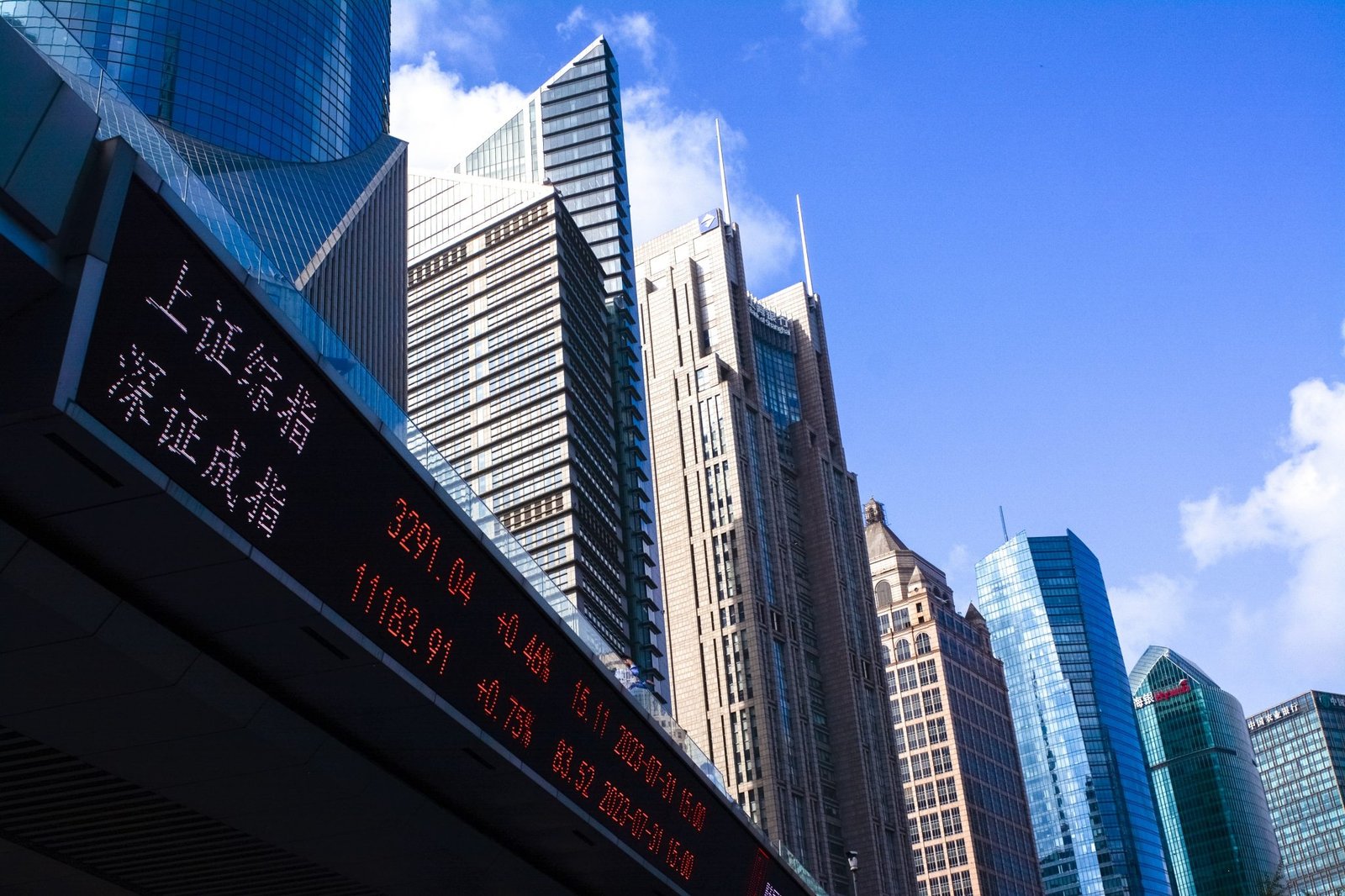
The Chinese Communist Party (CCP) has spent decades refining a sophisticated playbook for overseas influence operations. These campaigns are not random or ad hoc. They are carefully coordinated efforts designed to shape public opinion, pressure policymakers, and silence critics abroad. Using tools such as state-backed media, social media manipulation, cultural outreach, and psychological messaging, the CCP seeks to project its narratives far beyond China’s borders.
Why New York City Matters to Beijing


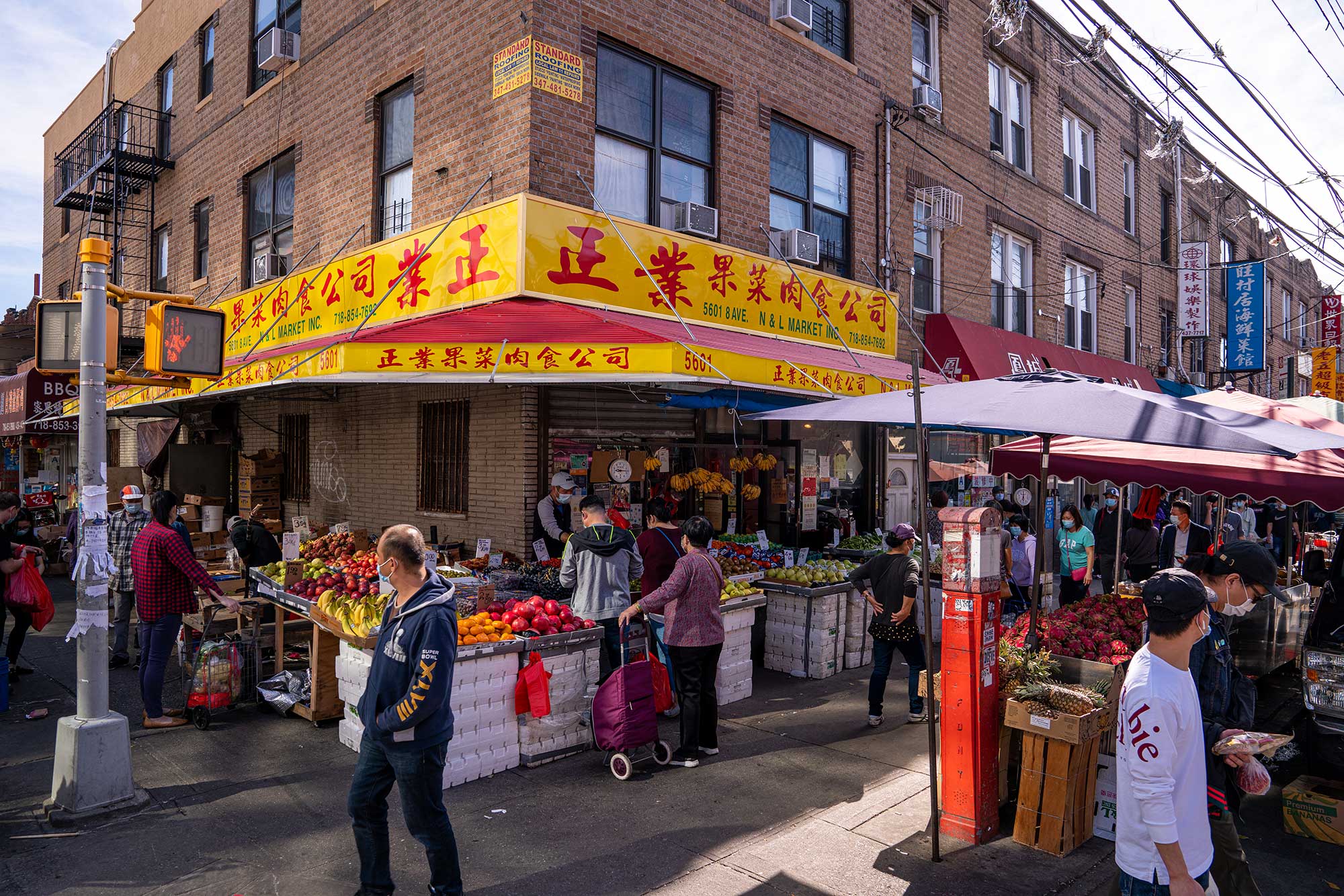
As a global media hub and financial powerhouse, New York City has long been a prime focus of CCP influence activity. The city is home to the largest ethnic Chinese population in the United States—more than 700,000 people—concentrated in neighborhoods such as Flushing in Queens, Manhattan’s Chinatown, and parts of Brooklyn.
From Beijing’s perspective, this demographic reality creates both opportunity and leverage. It aligns closely with the modern mission of the CCP’s United Front system: mobilizing overseas Chinese communities to echo Party narratives, marginalize dissenting voices, and shape political and cultural conversations in host countries. In this context, New York City Under Rising Influence of the CCP is not a slogan, but a strategic objective.
Xi Jinping and the Revival of the “Magic Weapon”
After consolidating power, Xi Jinping moved quickly to expand and centralize the CCP’s influence apparatus. In May 2015, he personally attended the Central United Front Work Conference in Beijing—the first such high-level gathering in nearly a decade, and the first elevated to “central” status. Senior Party officials, military representatives, and provincial leaders were all present, underscoring the importance of the mission.
Reviving Mao Zedong’s description of united front work as a “magic weapon,” Xi framed it as essential to achieving the “Chinese Dream” of national rejuvenation. He emphasized new priorities, including the management of overseas Chinese communities and the need to make united front work a responsibility shared across the entire Party.
Soon after, Beijing issued its first-ever Party regulation governing united front affairs, signaling that these efforts would now be standardized, disciplined, and aggressively enforced.
Reshaping the United Front Work Department
A major restructuring followed in 2018 at the Third Plenary Session of the CCP’s 19th Central Committee. The United Front Work Department (UFWD) absorbed several previously separate agencies, including the Overseas Chinese Affairs Office and the State Administration for Religious Affairs. It also took unified control over ethnic affairs.
These changes achieved Xi’s goal: consolidating CCP authority over political, religious, ethnic, and overseas Chinese matters under a single command structure. Within the UFWD, two closely linked bureaus—the Ninth and Tenth—now focus almost entirely on overseas Chinese communities worldwide, estimated at more than 60 million people.
The Ninth Bureau sets strategy, builds long-term relationships, and promotes loyalty to Beijing, while the Tenth Bureau handles operational details such as media engagement, cultural programs, youth exchanges, and targeted messaging. Their nearly identical names reflect how tightly coordinated this global effort has become.
United Front Operations in the Big Apple
Since the UFWD’s mission was expanded, New York has experienced a steady increase in visible and covert influence activities.
One key target has been local and national media. UFWD-linked messaging consistently promotes the “one-China” principle, downplays or denies allegations of human rights abuses, and amplifies official policy lines from Beijing. Between 2019 and 2021, state-run China Daily spent millions of dollars placing sponsored content in major U.S. outlets, including The New York Times, often designed to resemble standard news reporting.
Social media has also become a powerful vector. Chinese diplomatic missions have contracted marketing firms to recruit influencers on platforms such as Instagram, TikTok, and Twitch, encouraging them to distribute Beijing-friendly narratives without clear disclosure of sponsorship.
Community Organizations and Coercive Tactics
Beyond media outreach, UFWD-aligned community groups have played a more direct role. Several New York–based organizations have hosted delegations linked to Beijing while presenting themselves as providers of social or civic services to Chinese Americans.
In more extreme cases, these relationships have crossed into overt repression. The Federal Bureau of Investigation raided a Manhattan location in 2022 that was allegedly operating as an undeclared Chinese police outpost. Investigators said it targeted CCP critics, including pro-democracy activists and Falun Gong practitioners, demonstrating how overseas influence efforts can blend into intimidation and surveillance.
Political Pressure and High-Profile Cases
UFWD-linked networks have also been accused of mobilizing street protests to pressure visiting officials. Demonstrations against former Taiwanese president Tsai Ing-wen during a 2023 visit to New York were reportedly organized by groups sympathetic to Beijing, with allegations that participants were financially incentivized to attend.
At the state level, the ongoing prosecution of Linda Sun—formerly a senior aide to Governors Andrew Cuomo and Kathy Hochul—has further highlighted concerns. Prosecutors allege that she used her position to advance Beijing’s interests, limit engagement with Taiwan, and steer pandemic-related contracts toward firms tied to the CCP.
Conclusion: A Coordinated Campaign
Taken together, these examples illustrate how the UFWD’s expanded “overseas Chinese work” mission operates in practice. In New York City, it has meant shaping media narratives, cultivating political access, mobilizing protests on demand, fostering economic dependence, and intimidating critics—all while coordinating with other Chinese state bodies.
The broader goal is not subtle: to normalize Beijing’s viewpoints, marginalize opposition, and steadily increase leverage over one of the most influential cities in the world. In that sense, the pattern points clearly to New York City Under Rising Influence of the CCP, a challenge that continues to test the resilience of open societies and democratic institutions.