

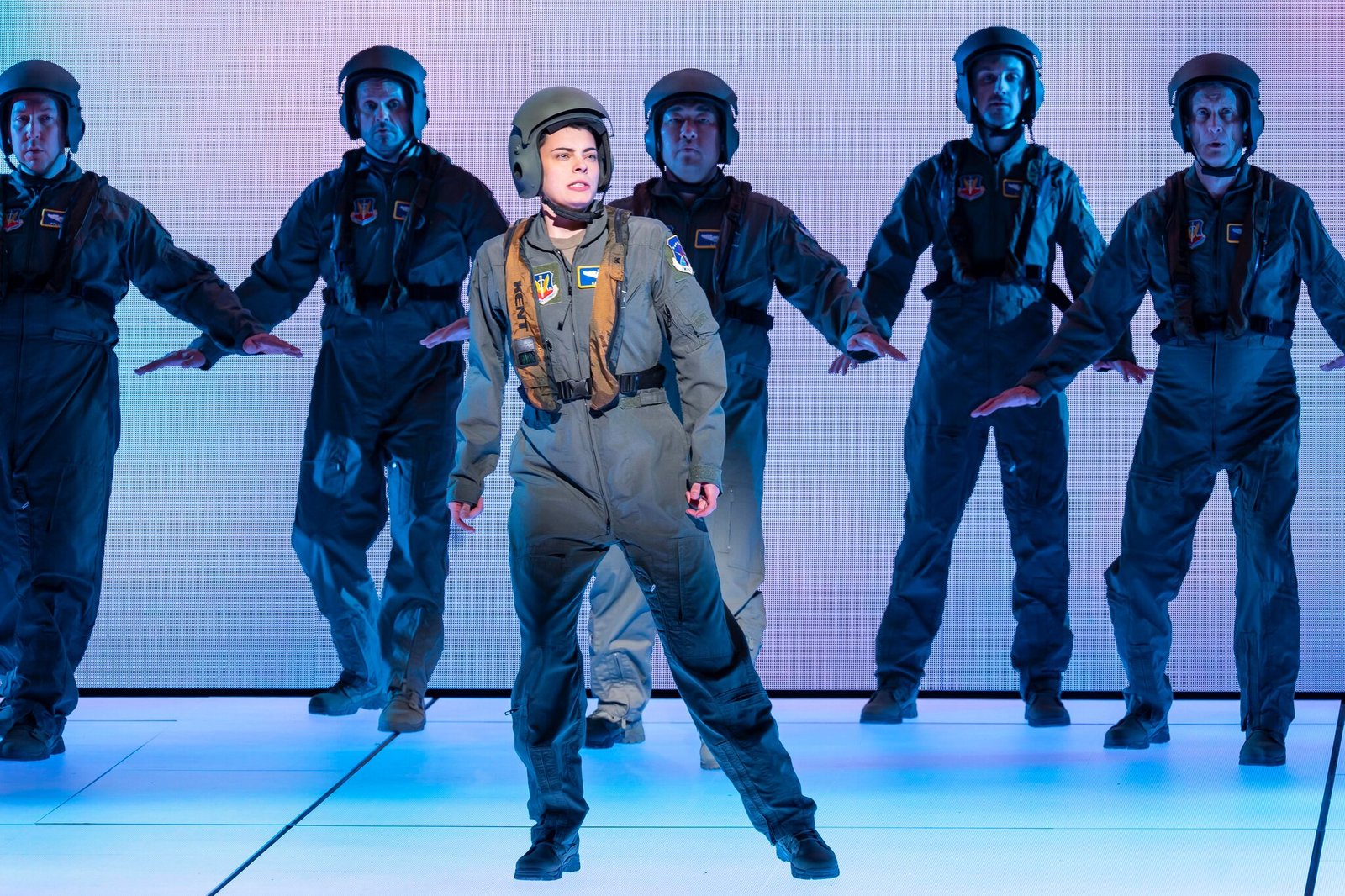
The Washington National Opera Breaks Away From Kennedy Center Over Trump Renaming Move marks a significant shift in the cultural landscape of the U.S. capital. On Friday (Jan. 9), the Washington National Opera confirmed it will relocate its performances from the Kennedy Center, becoming the latest high-profile arts institution to step away following former President Donald Trump’s takeover of the iconic venue.
In a statement, the opera said it plans to conclude its relationship with the Kennedy Center through what it described as an “amicable transition,” allowing the company to return to independent operations. The decision, according to the organization, was driven by new financial pressures that emerged after Trump dismissed the Center’s previous board and appointed allies to lead the institution.
Financial Pressures Prompt a Scaled-Back Season
As part of the transition, the opera announced it will shorten its spring season and stage upcoming productions at alternative venues. The move, officials said, is designed “to ensure fiscal prudence and meet the requirements of a balanced budget.”
While the statement did not directly reference Trump or the Center’s decision to attach his name to the building, the timing follows the controversial rebranding. Although Congress still officially recognizes the venue as the John F. Kennedy Center for the Performing Arts, signage and the Center’s website now identify it as the Trump Kennedy Center.
Differing Views on Funding and Sustainability
Responding to the announcement, Ric Grenell, a Trump ally serving as the Kennedy Center’s interim executive director, said the venue has spent millions supporting the Washington National Opera, which he claims has continued to run at a deficit. Writing on X, Grenell argued that the separation would give the opera “the flexibility and funds to bring in operas from around the world and across the U.S.”
Opera leadership, however, pointed to deeper structural issues. They said the Center’s revised business model now requires productions to be fully financed years in advance—an approach they described as incompatible with how opera companies function. Ticket sales, they noted, cover only a small portion of production costs, with grants and donations typically filling the gap closer to opening night.
The new framework also eliminates a long-standing practice in opera: using revenue from popular, high-selling productions to support more experimental or lesser-known works.
A Wider Cultural Ripple Effect
The opera’s exit comes amid a broader wave of artistic departures. Since Trump reshaped the Kennedy Center’s leadership and installed himself as chair of the board of trustees, several prominent artists have canceled appearances. Among them are Hamilton creator Lin-Manuel Miranda and rock musician Peter Wolf. The December rebranding of the venue intensified the backlash, triggering additional cancellations.
Looking Ahead
Despite the upheaval, optimism remains within the opera’s leadership. Francesca Zambello, the company’s artistic director for the past 14 years, reflected on her long association with the Kennedy Center, calling it “a national monument to the human spirit” and a welcoming home for artists and audiences alike.
She emphasized that the company’s mission will continue unchanged. “From monumental classics to contemporary works,” Zambello said, the Washington National Opera intends to keep offering a diverse and ambitious range of productions—just on a new stage.